General Contractor: Your Reliable Specialist for Residential Undertakings
A general contractor plays an crucial role in residential construction. They manage different elements of building work, ensuring that all operations proceed without issues. Their expertise in construction regulations and standards allows them to handle the intricacies of licenses and assessments. This professional serves as a vital link between clients and specialized tradespeople. However, many homeowners stay unsure about the full scope of their services. Understanding these specifics can greatly impact the success of any remodeling project.
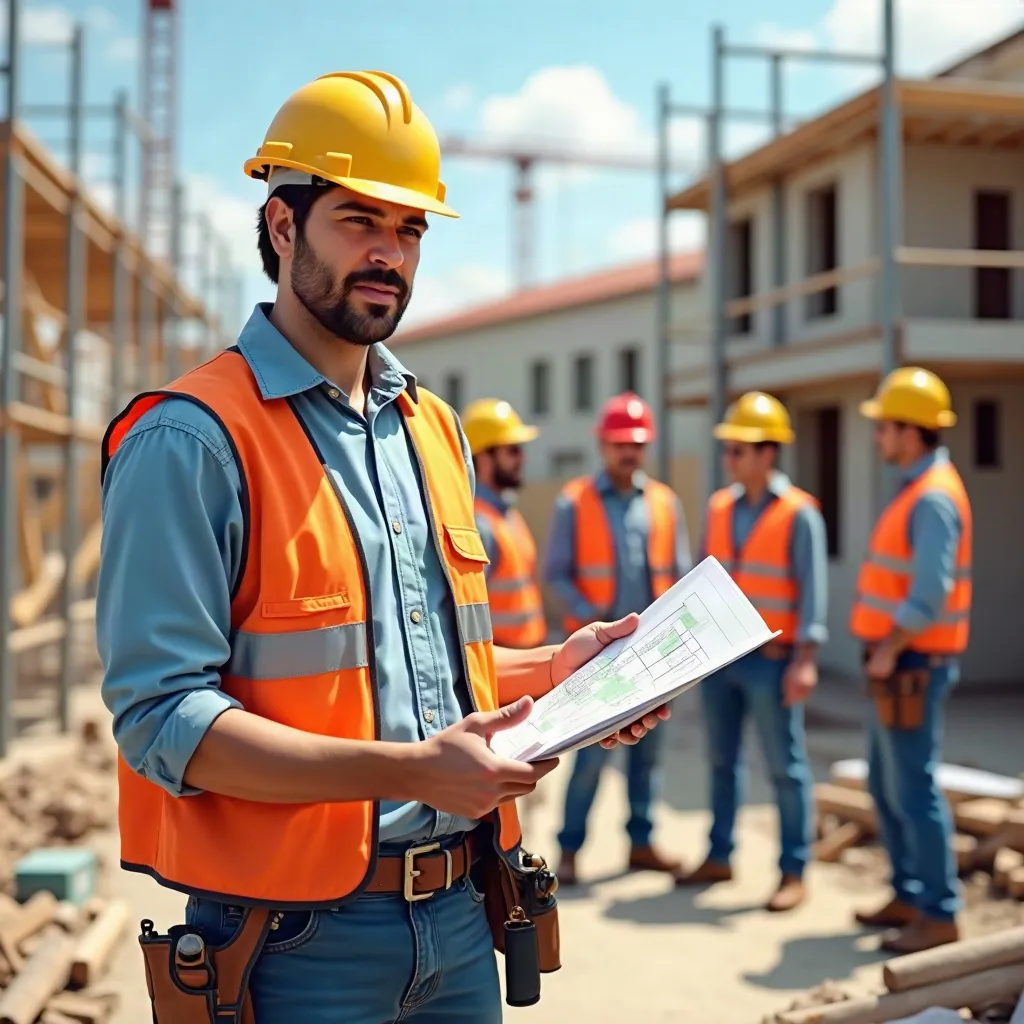
What Does a General Contractor Perform?
A general contractor manages the diverse facets of a structural project, confirming that all operations flow without issue from start to finish. They serve as the primary point of contact, managing communication between stakeholders, contract workers, and suppliers. This function involves mapping out the project timeline, coordinating personnel, and ensuring compliance with local building codes and regulations.
General contractors are in charge of obtaining necessary permits and scheduling inspections, which are vital for maintaining safety and quality standards. They also handle budget planning, material procurement, and overseeing site operations to mitigate any potential delays or issues. In addition, they oversee subcontractors, making sure that each phase of construction aligns with project specifications and timelines. Overall, a general contractor's expertise and organizational skills are essential to completing a successful construction project, turning a client's vision into reality while balancing multiple tasks and responsibilities.
Benefits of Hiring a General Contractor for Home Renovations
Retaining a a professional builder for home renovations provides countless advantages that can substantially enhance the quality and efficiency of the project. Professional contractors bring expertise in managing projects, ensuring that schedules are kept and resources are allocated efficiently. Their strong relationships with subcontractors can lead to better rates and excellent craftsmanship, which finally helps property owners regarding both time and money.
Also, general contractors handle the intricate particulars of permits and inspections, minimizing prospective legal complications. They also provide a single point of contact, easing communication and coordination among various trades. This streamlining reduces the potential for confusion and slowdowns.
Additionally, their expertise allows them to identify potential challenges, enabling proactive solutions to keep the project on schedule. By hiring a general contractor, homeowners can focus on their vision while obtaining peace of mind, assured that a professional is handling every aspect of the renovation.
Clearing Up Misconceptions Regarding General Contractors
While many homeowners may hold false beliefs about general contractors, understanding the realities can lead to more informed decisions. One common myth is that hiring a general contractor is not needed for small projects; however, their expertise can simplify even small-scale renovations, ensuring compliance with local codes. Another frequent belief is that contractors are merely middlemen, but they often possess broad knowledge in various trades, enabling them to manage projects efficiently. Additionally, some clients think that working with a contractor will considerably inflate costs. In truth, a professional general contractor can often secure better rates for materials and labor due to strong relationships with vendors and further information subcontractors. Finally, many believe that general contractors are rigid, but trusted contractors prioritize client communication and collaborate closely to meet specific needs. Dispelled myths can empower clients to leverage the real value of contractors in achieving effective home projects.
How to Pick the Right General Contractor?
How can property owners guarantee they select the ideal construction professional for their projects? The process starts with thorough research. Homeowners should seek recommendations from friends, family, or online reviews to locate qualified contractors. Once a list is assembled, confirming credentials, such as licensing, bonding, and insurance, is essential to verify legitimacy.
Next, homeowners should solicit and assess samples of previous work, focusing on work of comparable scale. Arranging consultations allows homeowners to gauge compatibility, discussing timelines, budgets, and expectations. It's also prudent to obtain multiple quotes for contrast, providing a clear understanding of pricing.
Reviewing references gives perspective on a contractor's dependability and expertise. Finally, following your intuition is crucial; an opening discussion can expose a contractor's communication style and approach. By implementing these procedures, homeowners can significantly boost their odds of choosing a general contractor who matches their objectives and goals.
Successful Conversation Methods Alongside Your General Contractor
Which strategies can homeowners employ to guarantee strong communication with their general contractor? Initiating clear communication from the inception is vital. Homeowners should plainly communicate their needs, project aims, and financial limits during initial discussions. Consistent information can be promoted through organized gatherings, making certain that both parties remain aligned throughout the project.
Documented materials, including emails or project logs, helps reinforce spoken understandings and reduces misunderstandings. Homeowners should also encourage open dialogue by soliciting feedback and questions from the contractor, fostering a cooperative atmosphere.
Furthermore, taking advantage of tech solutions, including project management apps, can ease team dialogue by creating a centralized location for relaying updates, timelines, and changes. Finally, maintaining respect and approachability can strengthen mutual understanding, making it easier for the contractor to discuss challenges or suggestions in a meaningful way. By putting into practice these techniques, homeowners can nurture a productive and honest connection with their general contractor.
What You'll Know When Your Undertaking Launches?
When the project gets underway, homeowners should anticipate a surge of movement on-site. The construction manager will supervise groups of qualified craftspeople, including electricians, plumbers, and carpenters, who will commence their work in accordance with the established timeline. Homeowners may observe large equipment and supplies being transported, creating a bustling setting.
Maintaining communication is essential during this phase. The contractor will furnish progress reports on progress and tackle any worries that come up. Homeowners should prepare for potential disruptions, such as noise and reduced access to select areas of the home.
Safety measures will be in place to defend both workers and residents, confirming a secure space. Additionally, homeowners may be advised to sustain flexibility, as unforeseen issues can arise, compelling adjustments to the original plan. Overall, this initial phase creates the conditions for the successful completion of the project, and active commitment is essential.
Key Questions for Your Primary Contractor Agreement?
Identifying the appropriate questions to pose when finalizing a general contractor agreement is vital for ensuring a smooth project. Homeowners should ask about the contractor's credentials and coverage to verify their standing and protection against losses. Understanding the project schedule and benchmarks is important; therefore, asking about anticipated completion dates helps manage expectations.
It is also paramount to communicate financial specifications, like down payments and payment plans, to ward off misunderstandings. Home purchasers should procure a granular analysis of costs, featuring building materials and skilled work, to assure transparency. Concurrently, engaging in discussion about the system for addressing changes or surprise difficulties can eliminate disagreements subsequently.
In conclusion, homeowners should research information about subcontractors and their qualifications, as well as the contractor's communication approach throughout the project. By reviewing these points, homeowners can develop a strong relationship with their general contractor, ultimately leading to a successful construction project.
Popular Inquiries Posed Often
What Ways Do General Contractors Use to Charge for Their Services?
Contractors generally levy charges via flat fees, hourly pricing, or a percentage of the total project cost. Their pricing structure may additionally encompass resources, labor, and running costs, relative to the scope and difficulty of the work.
Can a General Contractor Help With Licenses and Inspections?
Yes, a general contractor can assist with obtaining permits and managing inspections. They typically navigate local codes and ensure adherence, streamlining the process for homeowners while facilitating necessary authorizations throughout the construction project.
What Expertise Should I Select in a General Contractor?
When hiring a general contractor, one should review qualifications such as valid licensing, comprehensive insurance, experience in relevant projects, excellent references, and strong interpersonal abilities, ensuring they possess the necessary expertise to manage the project successfully.
How much time Does a Typical Home Renovation Project Take?
A standard home remodeling undertaking can require anywhere from a few weeks to several months, depending on the scale, intricacy, and size of the project, as well as the accessibility of materials and labor.
What Happens if My Initiative Exceeds Cost Allowance?
If a project exceeds the budget, the builder typically discusses the causes and alternatives with the property owner. Changes may consist of reducing scope, seeking additional funding, or revising the project scope to match budget constraints.